Popular Urns




















How Does the Funeral Home Prepare a Body for Cremation?

Most people never expect to learn how the cremation process works until they suddenly have to make those decisions for someone they love. During a time of grief, it's completely normal to have questions about what happens next. This guide explains each step of the cremation process, outlines what Alabama law requires, and provides East Brewton families with practical information to help them make informed choices with confidence.
What Happens Before Cremation? A Simple Guide for Families
“When we lose someone close to us, understanding the cremation process can feel overwhelming and confusing.”During such an emotional time, families often have many questions what happens first, how the process works, and how long everything takes.This guide explains each step in a simple and clear way so you can feel more informed and at ease during the process.
What Happens Before Cremation Begins?
Before cremation can take place, a few important legal and official steps must be completed.
These usually include:
- Filing the death certificate
- Getting permission from the legally authorized family member
- Obtaining a cremation permit
- Following Alabama’s waiting period rules
How Funeral Homes Handle the Body
Transportation and Initial Care
When a death occurs at home, hospital, hospice, or nursing facility, the funeral home arranges transportation.Trained staff carefully transfer the deceased using special vehicles designed for this purpose. Every step is handled with respect, privacy, and dignity.Once the body arrives at the funeral home, an identification tag is placed immediately. This starts the tracking process that continues until the cremated remains are returned to the family
How do we know we will receive the correct ashes?
Funeral homes take this responsibility very seriously.When the deceased arrives, all documents are carefully checked. A permanent identification disc is assigned and stays with the individual throughout the entire cremation process.This system helps ensure complete accuracy and peace of mind for families.
Care and Preparation of the Body
After identification is confirmed, the body is gently prepared.This includes basic cleaning and careful handling, always done with respect and professionalism.During this stage, staff also check for any items that need to be removed before cremation.
Medical Devices
Pacemakers and other battery-powered medical devices must be removed.These devices can become dangerous under high heat, so this step is necessary for safety reasons.
Jewelry and Personal Items
Items such as rings, necklaces, and watches are usually returned to the family unless instructed otherwise.If families wish to keep something with their loved one, the funeral director can guide what is allowed.
Prosthetics and Implants
Metal implants like hip or knee replacements are usually left in place. These do not burn during cremation and are handled separately afterward.
Is Embalming Required?
No, embalming is not legally required before cremation in Alabama.Most families who choose direct cremation do not request embalming.
Embalming may only be used if:
- A viewing or visitation is planned
- There is a delay before cremation
- Transportation rules require it
- Federal regulations also protect families from being charged for embalming unless it is truly necessary.
Dressing the Deceased
Families often choose clothing for their loved one.Some prefer a favorite outfit, while others choose simple or formal clothing.Soft, natural fabrics like cotton are commonly used.If no clothing is provided, the funeral home will supply a simple, respectful covering.In some cases, small personal items like letters or photos may be allowed, as long as they are safe to include.
What Is a Cremation Container?
A traditional expensive casket is not required for cremation.The body only needs to be placed in a proper cremation container.
Common options include:
- Simple wooden or fiberboard containers
- Traditional caskets
- Rental caskets for viewings
Families can choose what feels right for them without pressure to overspend.
What Happens During Cremation?
Cremation takes place inside a specially designed chamber called a retort.
- The temperature is usually between 1,400°F and 1,800°F.
- The process typically takes about 2 to 3 hours for an adult.
- After cremation, the remaining bone fragments are collected and allowed to cool.
- These are then processed into a fine, sand-like texture commonly referred to as ashes (cremated remains).
When Do Families Receive the Ashes?
Most families receive the cremated remains within 3 to 7 business days.
The ashes are placed in either:
- A temporary container, or
- The urn selected by the family
- The average weight of cremated remains is usually between 3 to 9 pounds, depending on the individual.The identification process remains intact until the very end to ensure accuracy.
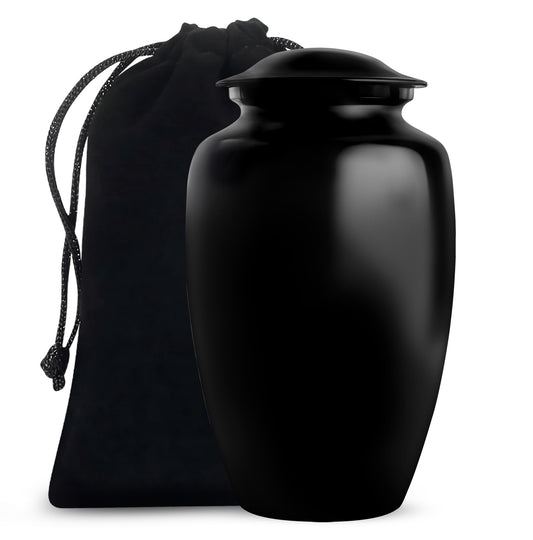
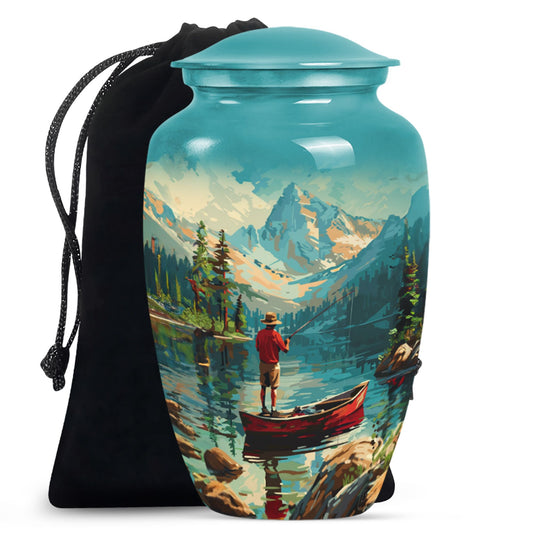
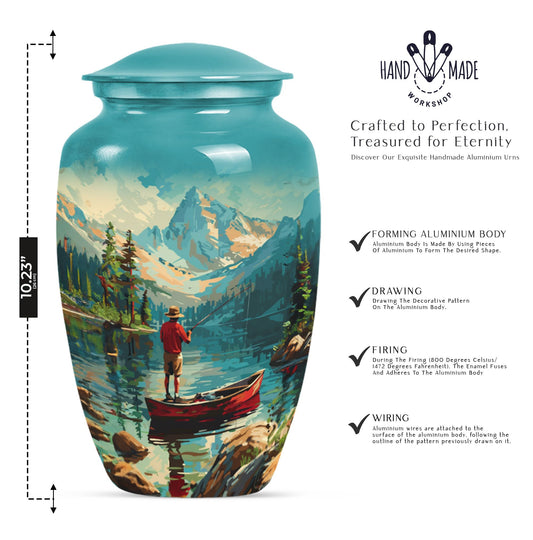
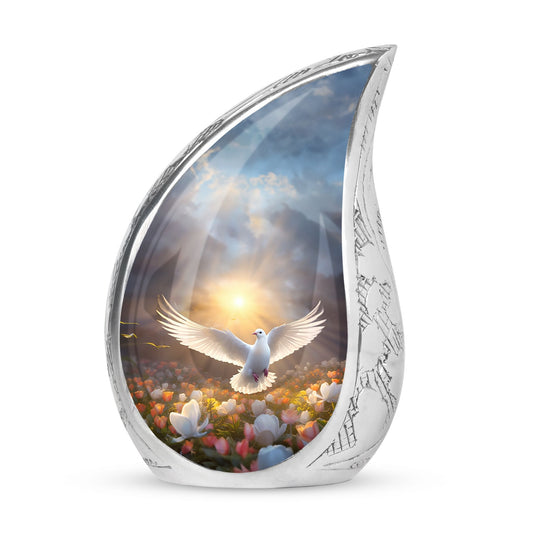
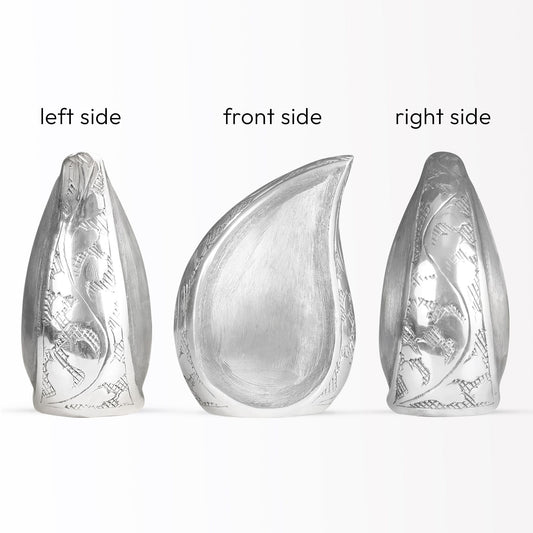
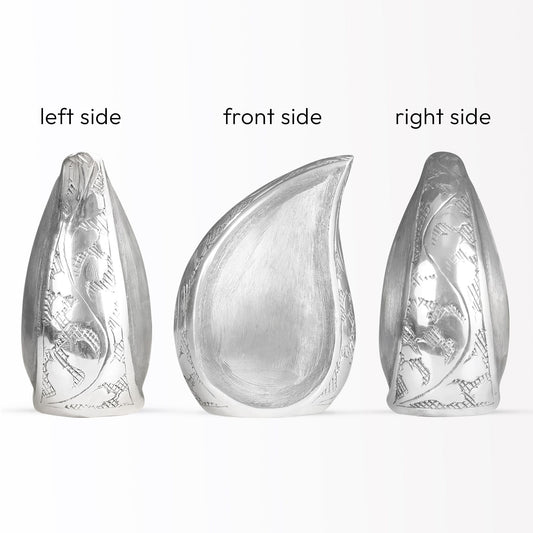
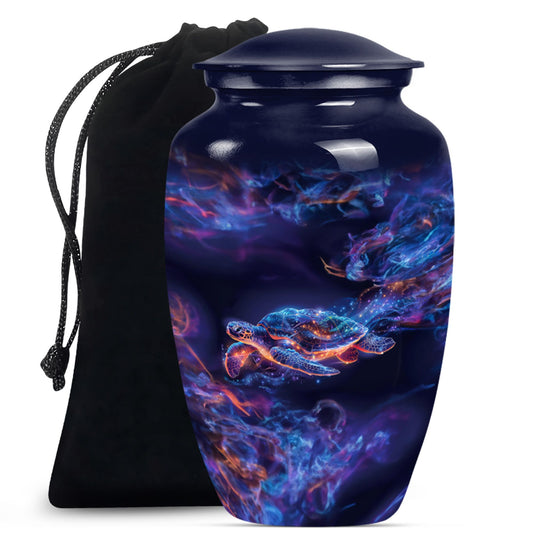
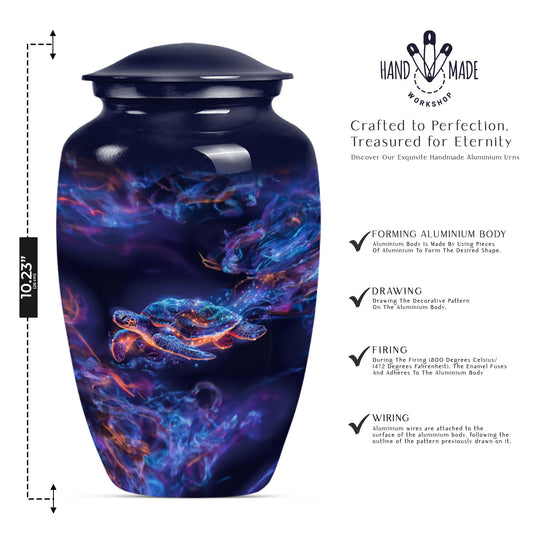
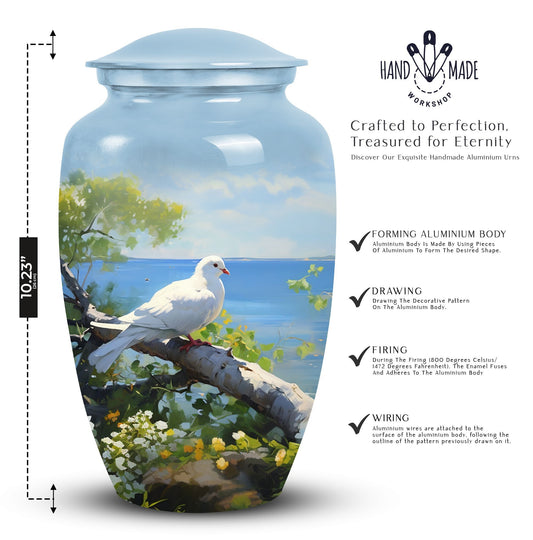
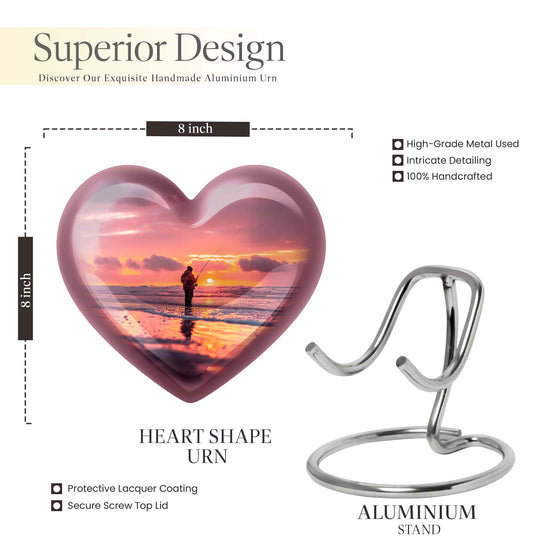
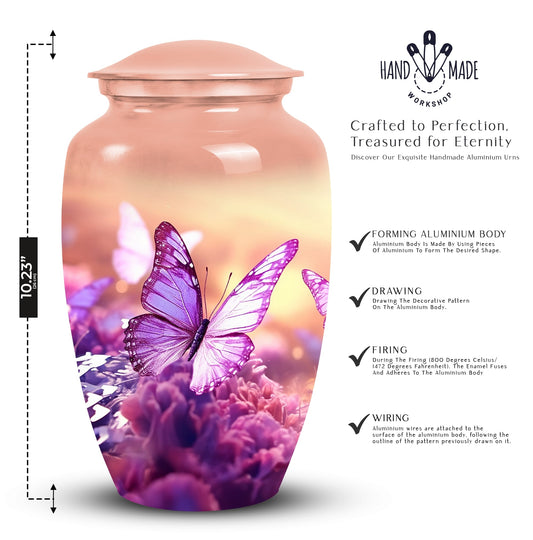
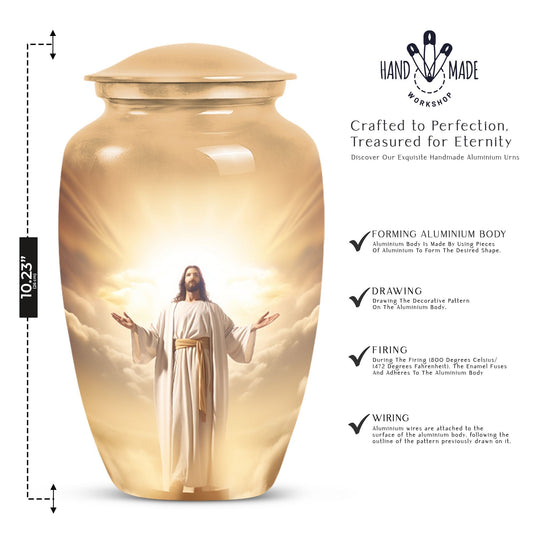
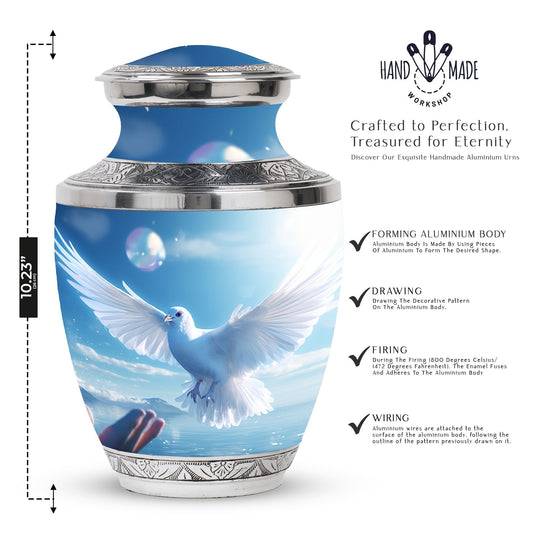
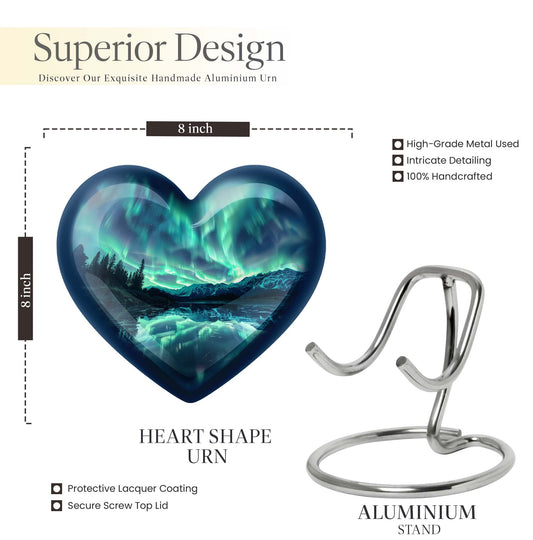
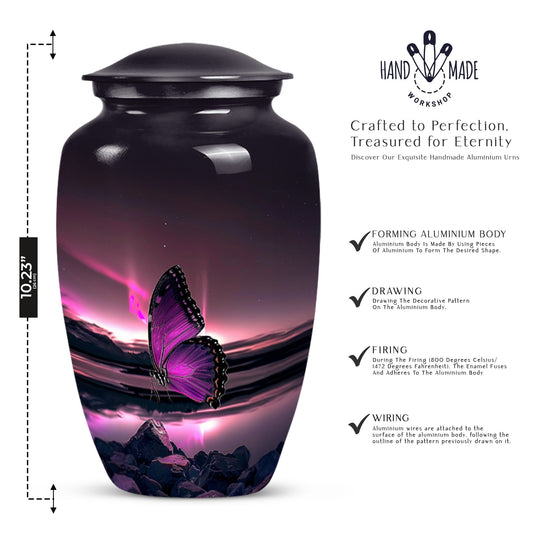
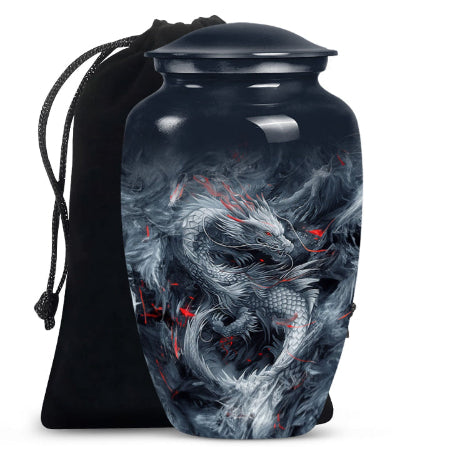
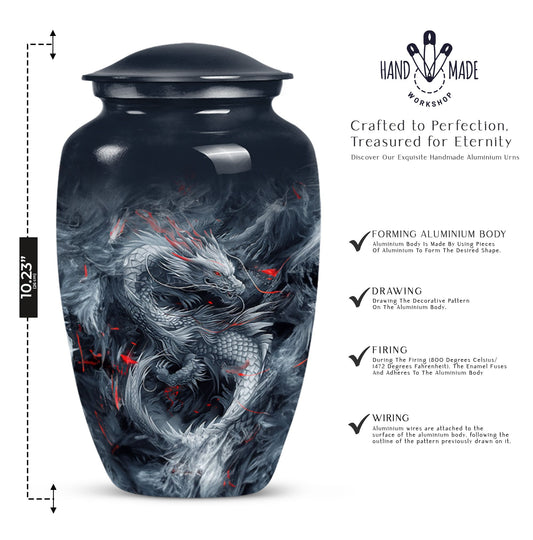
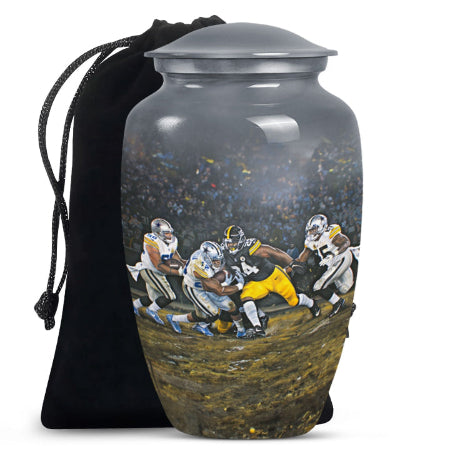
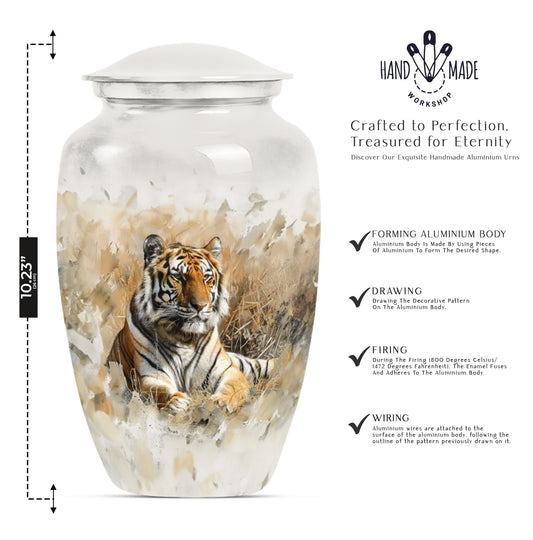
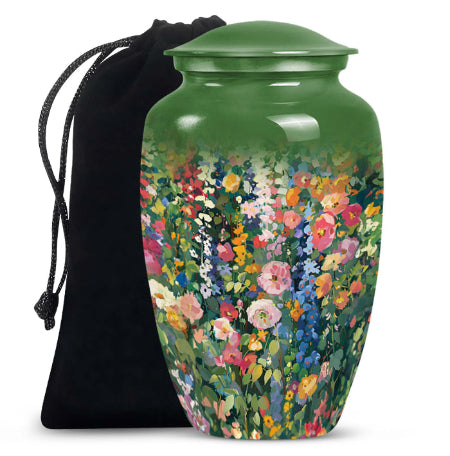
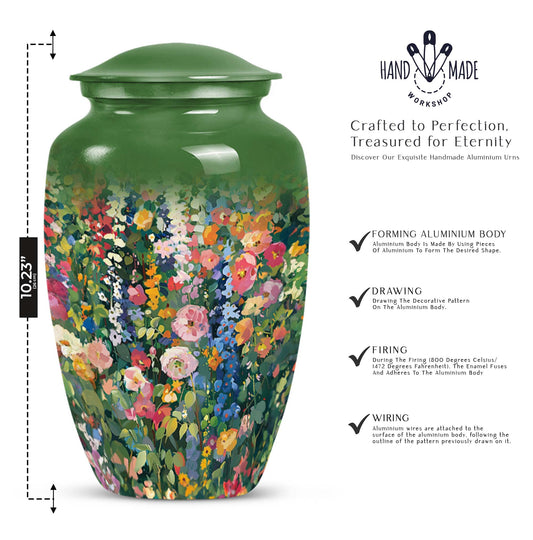
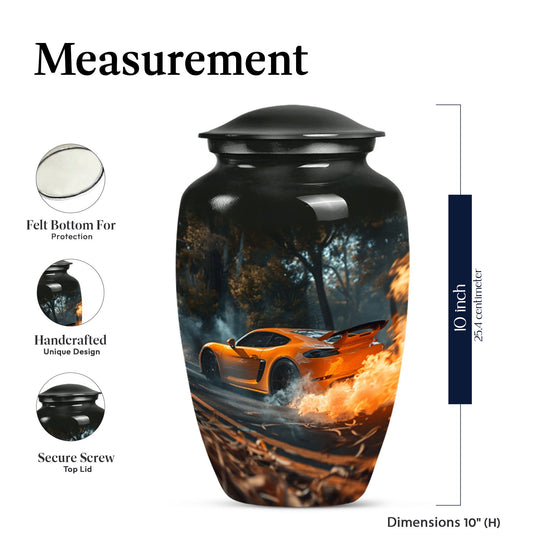
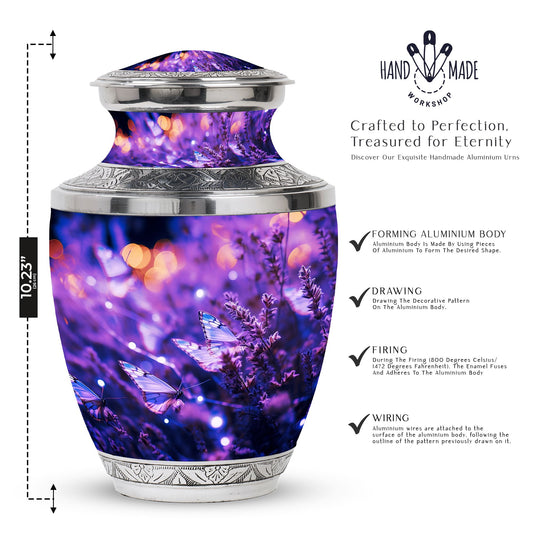
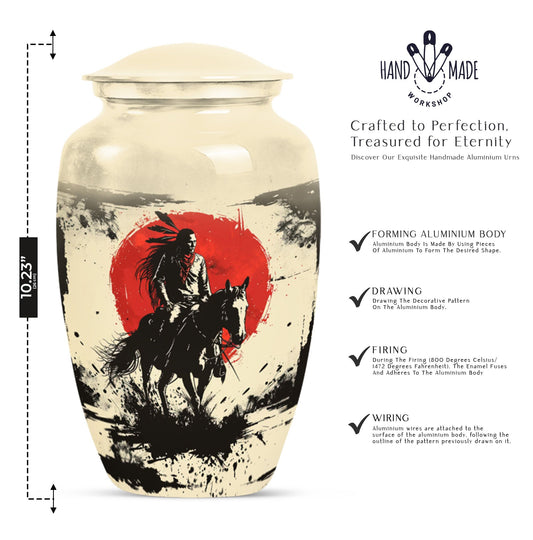
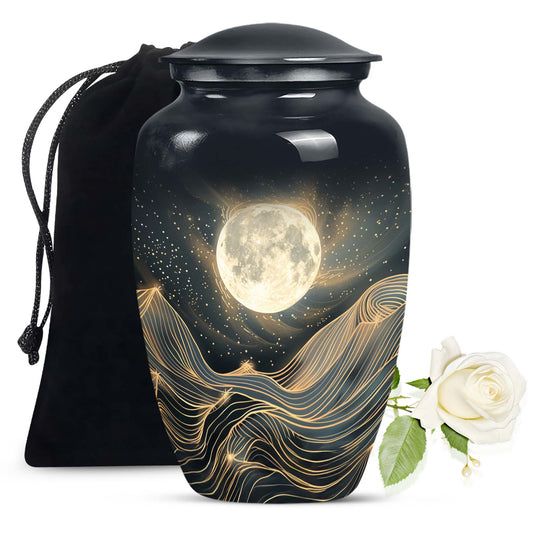
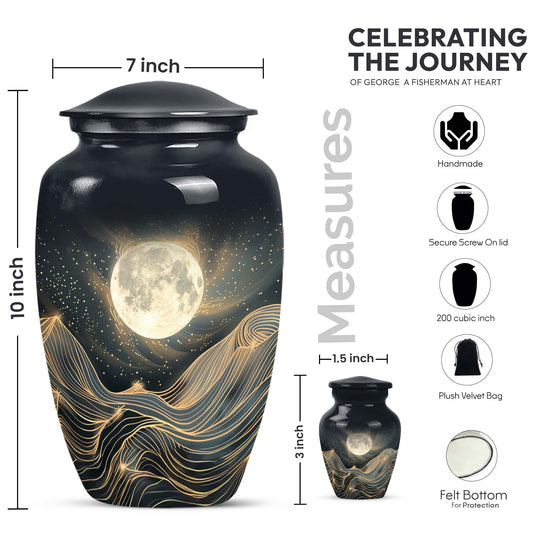
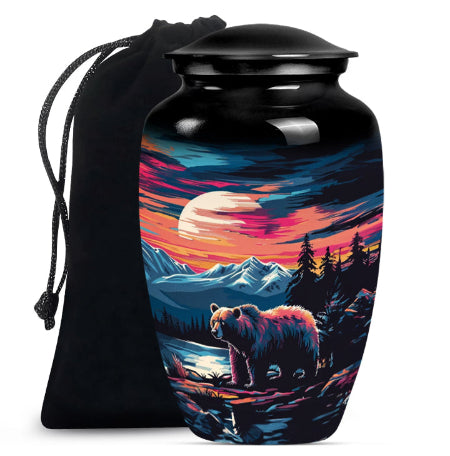
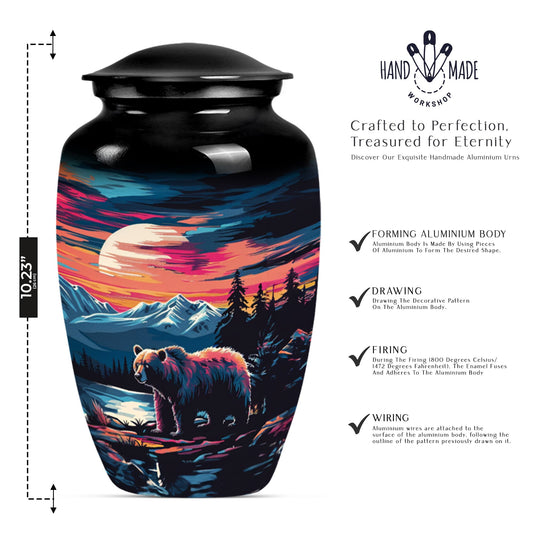
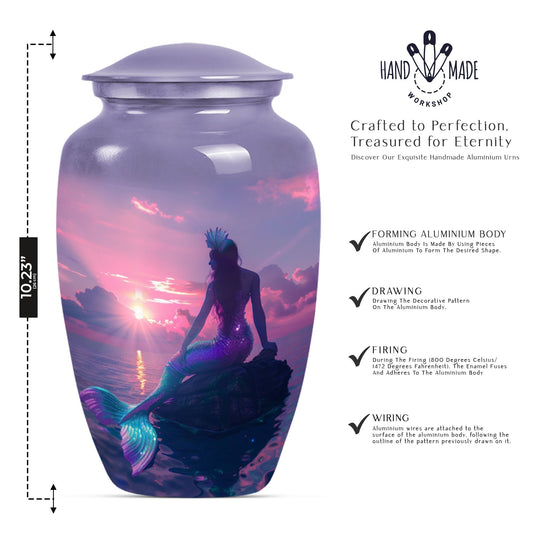
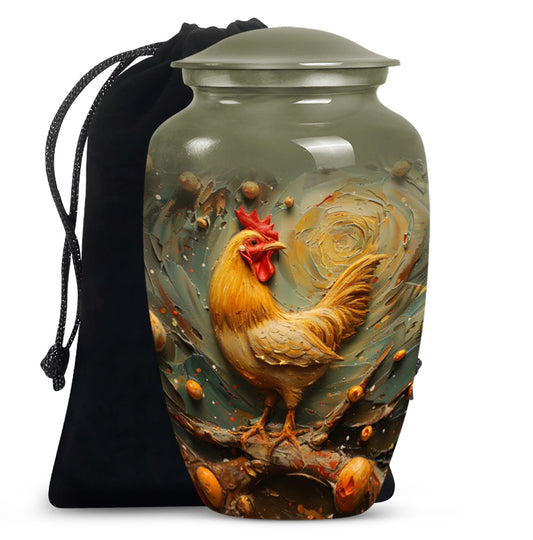
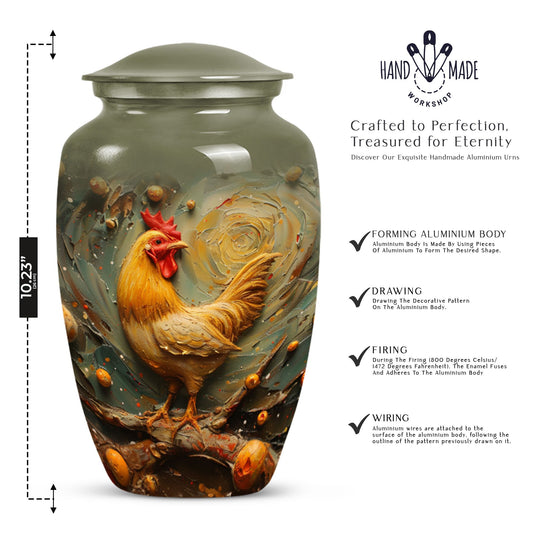
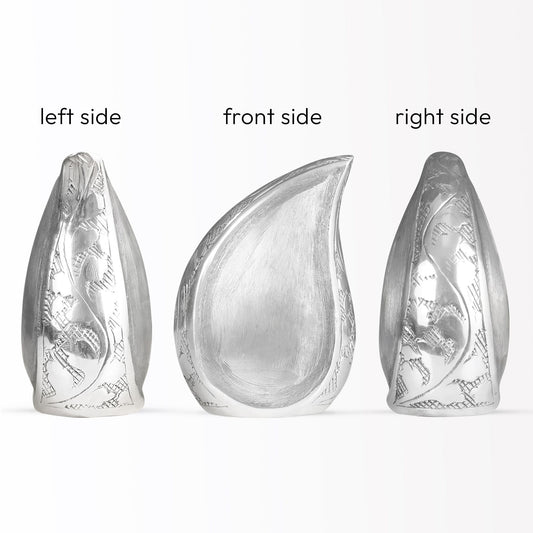
Choosing an Urn
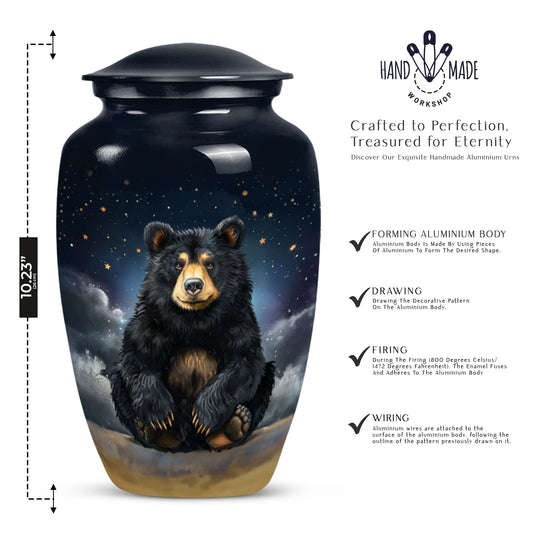
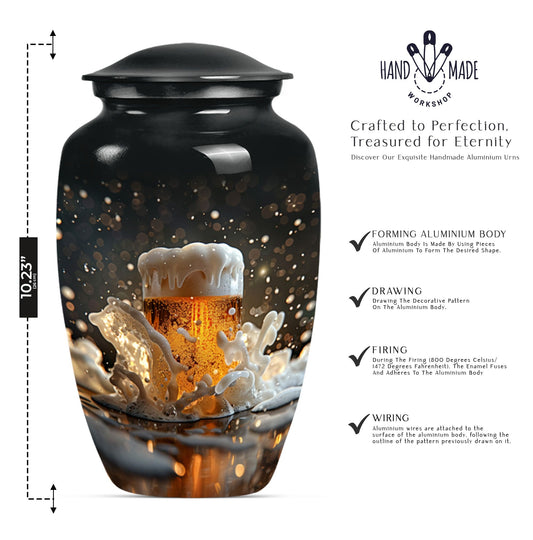
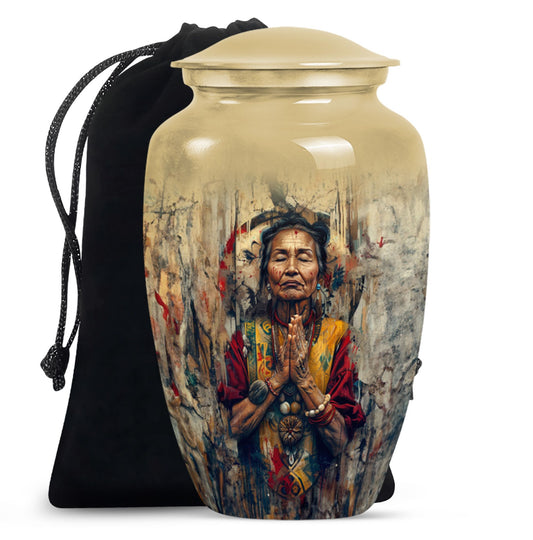
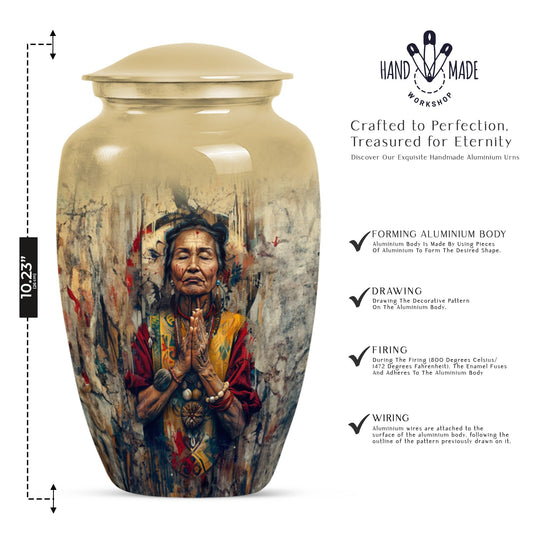
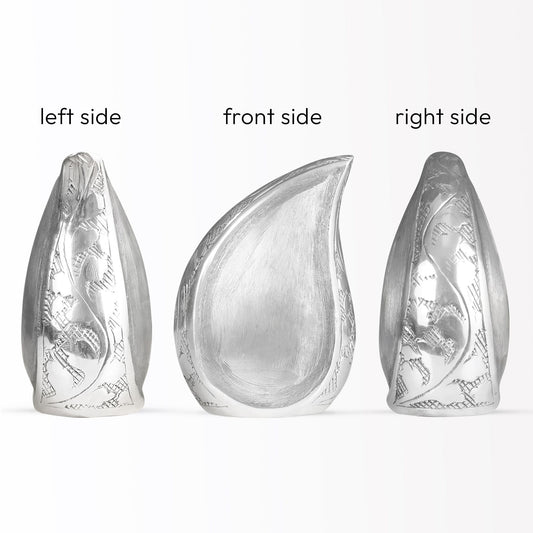
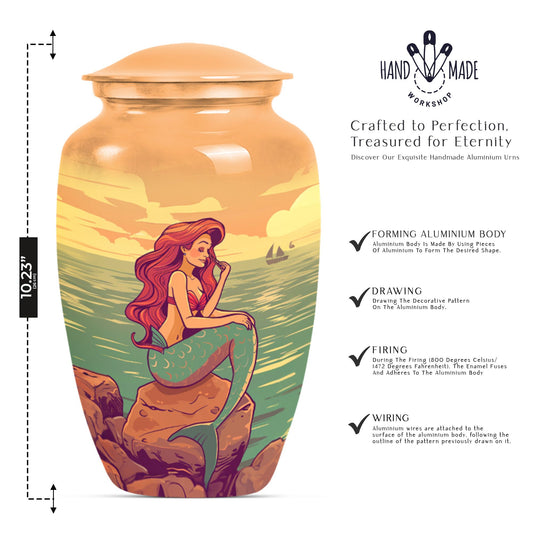
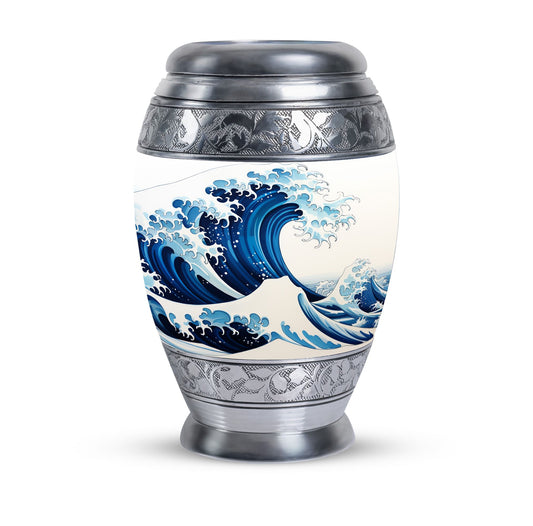
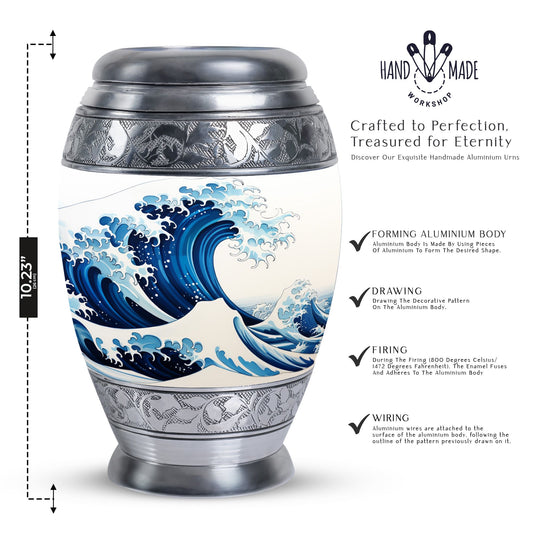
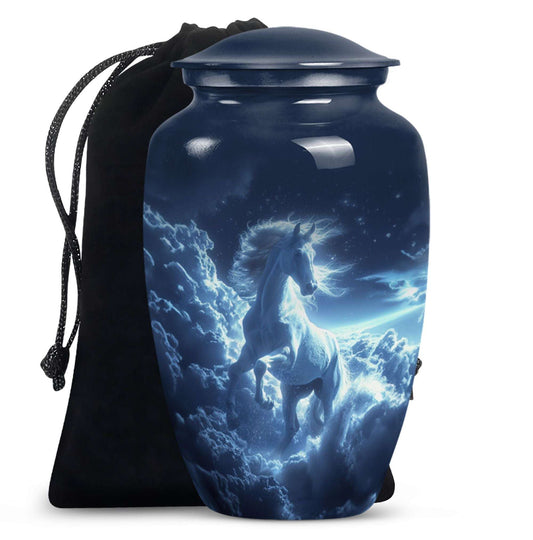
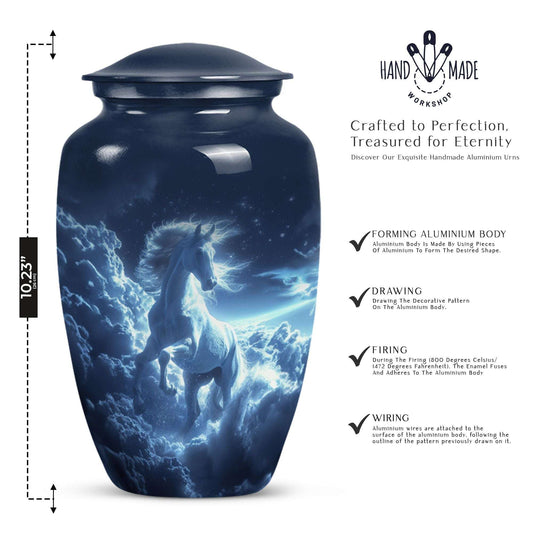
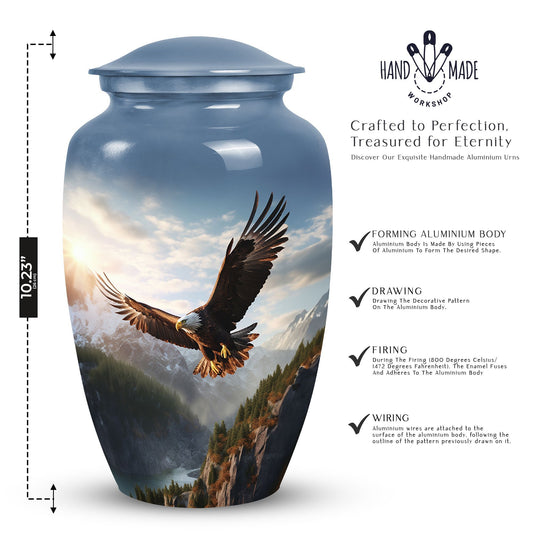
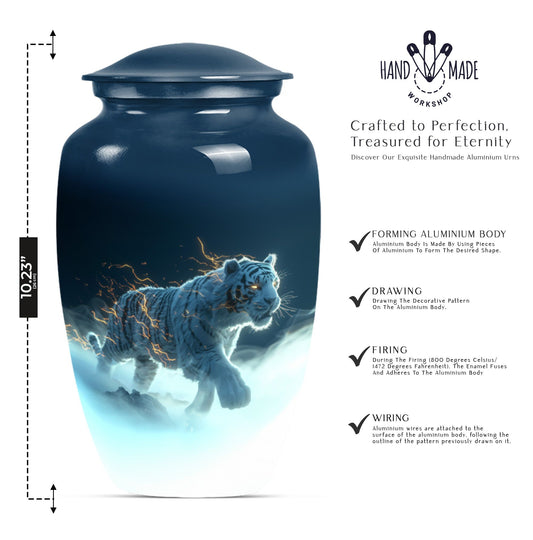
Selecting an urn is often the final step in the process.For some families, it is practical. For others, it is a meaningful way to honor their loved one.Common types include:
Adult Urns
Designed to hold the full cremated remains of one person.
Keepsake Urns
Small urns that allow family members to share ashes.
Companion Urns
Designed for two people, often couples.
Memorial Urns
Made for display at home.
Burial Urns
Used for cemetery burial or biodegradable placement.Families are not required to buy an urn from the funeral home.
Questions You May Want to Ask
Are you licensed by the Alabama Board of Funeral Service?
Yes, a licensed funeral home must always be registered with the Alabama Board of Funeral Service. This ensures that all services are provided according to state laws, professional standards, and ethical guidelines.
Can I see your pricing list?
Yes. Funeral homes are required to provide a General Price List (GPL) upon request.This allows families to this allows families to:
- Compare services
- Understand costs clearly
- Make informed decisions without pressure
Transparency is a legal requirement and helps families avoid confusion during a difficult time.
What is included in your cremation package?
- Transportation of the deceased
- Required paperwork and permits
- Care and preparation of the body
- Cremation process itself
- Return of cremated remains
- Some additional services like urns, viewings, or memorial services may be optional and priced separately.
How is identification handled?
Identification is managed through a strict tracking system.
This typically includes:
- Assigning an identification tag at the time of transfer
- Verifying documents upon arrival
- Using a permanent ID disc throughout the entire process
This system ensures that the correct cremated remains are always returned to the right family.
Is cremation done on-site?
This depends on the funeral home.Some funeral homes have their own cremation facility on-site, while others work with a trusted licensed crematory.Families can always ask this question directly to understand exactly where the cremation will take place.
How long does the process take?
The cremation process usually takes 2 to 3 hours once it begins.However, the full timeline is typically longer because it also includes:
- Legal paperwork
- Required waiting period (usually 24 hours in Alabama)
- Scheduling and preparation
- Most families receive the cremated remains within 3 to 7 business days.
Can I provide my own urn?
Yes. Families are not required to purchase an urn from the funeral home.
You may:
- Bring your own urn
- Purchase one from any provider
- Use a temporary container if needed
The funeral home will place the cremated remains in your chosen urn without any issue.
Conclusion
Cremation is both a practical choice and a deeply personal decision.Understanding the process can help families feel more confident and less overwhelmed during a difficult time.Every step is designed to ensure dignity, care, and respect for your loved one.If you are planning arrangements in East Brewton or preparing ahead of time, take your time, ask questions, and choose a trusted provider.Clear information and compassionate support can make the process much easier to understand and manage.